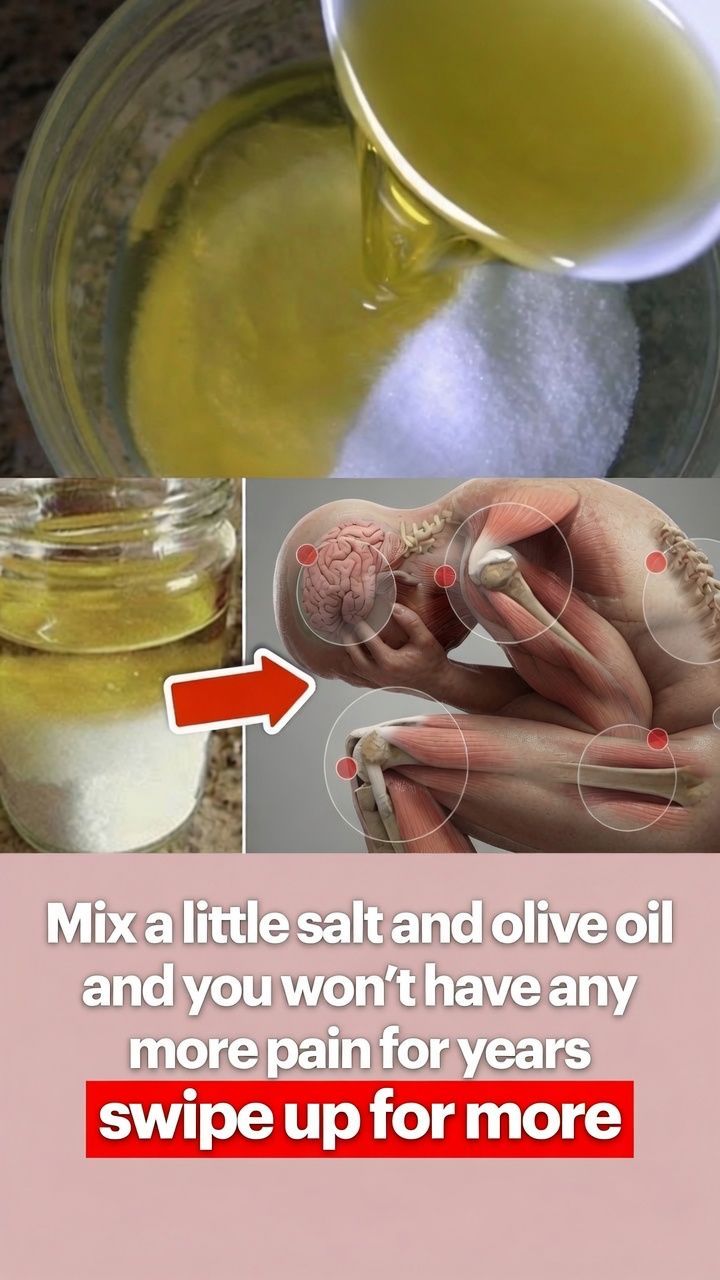

After a long day—whether it is working, exercising, gardening, or simply keeping up with the household—your body deserves a few quiet minutes to unwind. A simple homemade scrub made from olive oil and fine salt can turn those minutes into a soothing mini-massage. It is not a treatment for chronic pain or arthritis, but many people find this easy routine comforting, relaxing, and a pleasant way to care for their skin.
What makes this approach appealing is its simplicity. With just two common ingredients, you can create a scrub that softens the skin and adds a gentle polishing effect, all while encouraging you to slow down and breathe. For many adults, especially those of us who prefer practical, familiar solutions, this kind of small, reliable ritual is a welcome addition to a weekly routine.
Why Olive Oil and Salt Work Well Together
Olive oil is a classic skin-friendly oil. It helps the skin hold onto moisture and leaves a soft, comfortable feel after a massage. Many people appreciate how it glides over the skin without a lot of effort, which is especially helpful for tired hands or wrists. If your skin has felt a bit more delicate over the years, olive oil’s smooth texture can be kinder than rougher scrubs.
Fine salt acts as a gentle exfoliant. When used with a light touch, it helps loosen and remove dry, flaky skin from places like the hands, feet, elbows, and knees. Choosing a fine grind is important because it offers a milder texture. Coarser grains can feel scratchy and may be too aggressive on thinner or more sensitive skin.
Together, olive oil and fine salt create a rich, easy-to-use scrub. The oil allows your hands to move comfortably over the skin, while the salt provides just enough texture to polish. The goal is simple: a few minutes of calm, a soft glow to the skin, and a quiet moment that helps your body and mind relax.
Ingredients
For a single use, a good starting ratio is two parts olive oil to one part fine salt. For example, two tablespoons of olive oil mixed with one tablespoon of fine salt will be enough for both hands and feet or for larger areas such as the lower legs and elbows. If you prefer a lighter texture, use a little more oil. If you want a bit more polish, use a little more salt, but keep it fine to protect the skin.
You may add a drop or two of a skin-friendly essential oil, such as lavender or sweet orange, for a pleasant scent. If you have sensitive skin, fragrance-free is often best. Always remember that essential oils are potent and can irritate if used in excess. Avoid citrus oils if you plan to be in the sun soon after use, and keep all scented oils away from the face and eyes.
How to Make It
Place the olive oil and fine salt in a small bowl and stir until evenly combined. The mixture should be thick enough to stay on your skin without running, but fluid enough to massage easily. You can adjust by adding a few extra drops of oil if it seems too stiff, or a pinch more salt if it feels too thin.
If you decide to use essential oil for fragrance, add it sparingly and stir thoroughly so the scent is evenly distributed. A little goes a long way. Prepare a fresh batch before each use to keep it simple and clean. Freshly made scrub feels best and helps you avoid any issues with contamination.
How to Use It
Begin with clean skin. If your hands or feet are very dry, a quick warm rinse or a brief soak softens the skin and makes the massage more comfortable. Take a small amount of the scrub and apply it using light, circular motions. Work slowly for about two to three minutes. You are aiming for gentle polishing, not vigorous rubbing.
Focus on areas that feel dry or tense, such as the hands, forearms, calves, knees, or heels. Avoid any broken or irritated skin, recent cuts or scrapes, rashes, or areas with active irritation. If you have thinner skin on your forearms or shins, keep your touch light and short. Comfort is the guide—if anything feels scratchy or uncomfortable, reduce pressure or add a bit more oil.
Rinse with warm water and pat the skin dry with a soft towel. If you like, finish with your favorite moisturizer. Many people find that following the scrub with a simple fragrance-free cream or a lotion containing ceramides or shea butter helps seal in softness. Once or twice a week is usually enough to keep the skin smooth without over-exfoliating.
Making the Routine Feel Good
The real value in this simple scrub is the moment it creates. Set yourself up for comfort. Sit in a supportive chair, place a towel on your lap or the floor, and take a few slow breaths before you begin. As you massage, keep your shoulders relaxed and your jaw unclenched. A slow rhythm can settle the mind as much as it soothes the skin.
Many people notice that the routine becomes a peaceful pause in the week. For some, it is Sunday evening before the new week begins. For others, it is after gardening or a day spent on their feet. The warmth of your hands, the gentle circular motions, and the comfortable glide of the oil help signal to the body that it is time to unwind.
Helpful Tips for Comfortable, Safe Use
Use a fine-grained salt to keep the scrub gentle. If your skin is very sensitive, you can soften the texture further by adding a drop or two more olive oil. Work in small sections and apply just enough pressure to feel the texture, not to scratch. Think of it as polishing a cherished object—steady and light.
Be cautious of slippery surfaces. Oil can make bathtubs and tiles slick. If you are using the scrub in the shower, place a nonslip mat under your feet and rinse carefully. If you are seated, keep a towel in your lap and another nearby for your hands. Rinse your hands before standing to avoid transferring oil to doorknobs or floors.
For hands, massage the backs of your hands, around each knuckle, and along the forearms with a very light touch. For feet, focus on the heels and balls of the feet, but avoid any open areas, blisters, or sore spots. If you have diabetes, circulation concerns, or reduced sensation in your feet, talk with a healthcare professional before using any exfoliant on your feet and keep any routine especially gentle.
If you choose to add a hint of scent using essential oils, keep it minimal. Avoid contact with eyes and do not use essential oils on broken skin. Fragrance-free versions are often the safest choice for mature or sensitive skin.
Variations You Can Try
If your skin is extremely delicate, you might prefer an ultra-gentle option. In that case, replace the fine salt with an equal amount of very fine sugar, which tends to feel softer. Keep in mind that sugar dissolves more quickly on damp skin, which creates an even milder polish.
While olive oil is the classic choice, some people enjoy trying other light, skin-friendly oils, such as sweet almond or grapeseed oil. These alternatives can feel a touch lighter on the skin. If you decide to try a different oil, keep the same general ratio so the scrub remains easy to spread and comfortable to use.
A small drop of honey can add a silky feel to the mixture. If you try this, use only a tiny amount and rinse well afterward. Honey can be sticky, and a little goes a long way. As always, if anything causes redness or irritation, rinse and stop using that version.
When and How Often to Use It
Many people enjoy using the scrub after a warm shower or bath, when the skin is clean and slightly softened. Others prefer to use it as a stand-alone ritual in the evening with a warm rinse afterward. Once or twice a week is usually perfect. Daily use is not recommended, as it can be too much exfoliation, especially for mature skin.
Take note of how your skin responds. If it feels smooth and comfortable afterward, you are on the right track. If you notice any lingering redness or tenderness, make the mixture a bit gentler with more oil, use a lighter touch, or reduce how often you use it.
Simple Self-Massage Ideas
For tired forearms and hands, rest your arm on a towel. Gently massage the scrub along the forearm in long, light strokes toward the elbow, then switch to small circles around the base of the thumb and along the palm. Work slowly between each finger with only a whisper of pressure. This can be especially soothing after time spent cooking, crafting, or gardening.
For the lower legs, begin at the ankles and move upward in light, sweeping motions. Spend a few moments around the calves where the muscles can feel tight after walking or standing. Remember, this is not deep tissue work. The goal is comfort and a soft glow, not intensity.
Special Considerations for Mature Skin
As skin changes over time, it often becomes thinner and may be more sensitive to friction. That is why the choice of fine salt and a gentle touch matters. Keep sessions short, and always listen to how your skin feels. Follow with a simple moisturizer to lock in comfort. If your skin is easily irritated by fragrance, choose unscented products.
If you have varicose veins, avoid direct scrubbing over those areas. Work gently around them, or simply skip exfoliation there. If you take blood thinners, avoid aggressive rubbing, and be extra careful to prevent nicks or scrapes. If you have any ongoing skin conditions or concerns, check with a healthcare professional before starting a new routine.
Safety Notes and When to Skip
Do not use the scrub on open wounds, sunburned skin, rashes, or areas with active irritation. Avoid the face and the eye area, as the salt can sting and the oil can be difficult to remove fully from delicate facial skin. If you experience stinging, rinse thoroughly and stop use.
Remember that this simple scrub is not a medical treatment and will not fix chronic pain. It is meant to be a comfortable, brief ritual that helps you relax and keep your skin feeling soft. If you have ongoing pain, swelling, or skin changes that concern you, seek guidance from a qualified healthcare professional.
Turning It Into a Relaxing Ritual
Part of the pleasure of this routine is the moment you create around it. Choose a calm time of day. Put on soft music or simply enjoy the quiet. Take five or six slow breaths, inhaling through your nose and exhaling a little longer than you inhale. As you massage, keep your shoulders low and your neck relaxed. A warm towel nearby can feel wonderful when you are finished.
After rinsing and drying, apply your moisturizer and sit for a minute or two to let everything settle in. Enjoy a glass of water or a cup of herbal tea. Treat this time as a small, dependable act of care for yourself—a reset that fits easily into the week.
Clean Up and Storage
After using the scrub, rinse any surfaces that might have oil on them, such as the sink, tub, or shower floor. A quick wipe with a little soap and warm water helps prevent slips later. Wash your hands with a bit of soap as well, especially before touching your eyes or face.
Make only what you plan to use right away. Preparing a fresh batch each time keeps things simple and clean. If you mix a little too much, you can cover it and use it later the same day, but fresh is best. For anyone who likes to plan ahead, you can pre-measure the dry salt into a small jar and add the olive oil just before use.
Troubleshooting Common Concerns
If the scrub feels too scratchy, add a few more drops of oil, or switch to an even finer salt. If it feels too oily, use less on each application and rinse a bit longer with warm water. If your skin feels tight after rinsing, apply a moisturizer immediately while the skin is still slightly damp to help lock in hydration.
If you notice any irritation, take a break. When you resume, reduce the amount of salt, add more oil, and limit the massage time. Comfort and consistency are more helpful than intensity.
Why This Routine Can Improve Everyday Life
A few minutes of gentle massage with a simple scrub can become a bright spot in the week. It invites you to pause, breathe, and take care of yourself in a practical, affordable way. The soft texture, the warm water rinse, and the feeling of clean, smooth skin provide a quiet sense of satisfaction. Many people find that regular, easy self-care helps reduce day-to-day stress and supports better sleep and overall calm.
Perhaps most importantly, this small ritual reminds you to prioritize your well-being. It does not require special equipment, appointments, or a tight schedule. It is accessible, familiar, and comforting. While it will not take away long-term aches, it can make your skin feel softer and your evening a little more peaceful. Over time, those few quiet minutes add up to a habit of kindness toward your body.
The Bottom Line
An olive oil and fine salt scrub is a straightforward, homemade way to gently exfoliate and enjoy a calming massage. It is easy to mix, quick to use, and pleasant to rinse away. With a light touch and a little attention to safety, it fits comfortably into a once- or twice-a-week routine. It will not solve chronic discomfort, but it can help you unwind and keep your skin feeling smooth.
Give yourself the gift of a small pause. Prepare a fresh batch, massage with care, rinse, and wrap up with your favorite moisturizer. In just a few minutes, you can turn an ordinary evening into a soothing ritual that supports relaxation and daily comfort.
For even more heartwarming stories, come check out My Son Changed the Gate Code While I Was at Work. My Wife Was Standing Outside With Her Groceries., or perhaps My Husband Carried Another Woman’s Child Into the ER Before Our Seizing Son and My Daughter Called Me in a Whisper. I Left Before She Finished the Word..