
Looking to the Sky for Clues About Life
For as long as people have watched the seasons change and the night sky turn overhead, the stars have offered a sense of rhythm and reassurance. Long before streetlights and calendars, farmers and sailors studied the skies to plan their work and stay safe. Over centuries, those practical observations mingled with stories and symbolism, giving rise to the tradition we now call astrology. Whether you glance at your horoscope over morning coffee or remember a friend’s sign for fun, astrology has a way of inviting reflection and sparking conversation.
As we grow older, questions about meaning, direction, and connection often come into sharper focus. Many people in midlife and beyond find that astrology, when approached with an open mind and a light touch, becomes another tool for understanding the past, making sense of the present, and imagining the future. It does not need to replace faith, common sense, or professional guidance to be valuable. Instead, it can offer language for personality, timing, and change that helps us pause and see our lives with a little more clarity.
What the Zodiac Actually Is
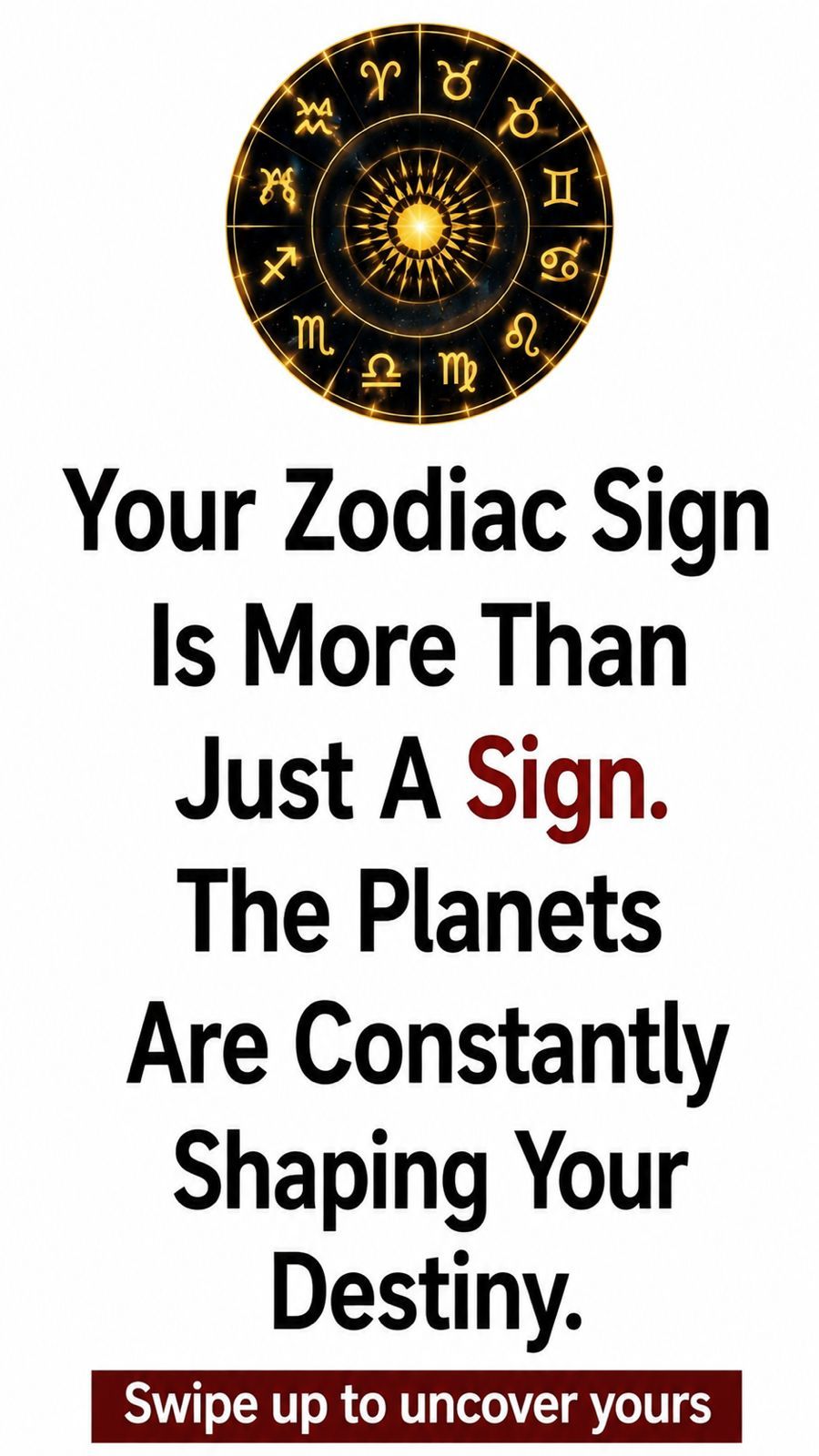
The zodiac is a band of sky divided into twelve sections that align with constellations. Over the course of a year, the sun appears to move through these twelve zones. Ancient observers noticed this pattern and began to associate each section with qualities they saw echoed on Earth. Those associations became the twelve zodiac signs most people recognize today.
The familiar twelve signs are Aries, Taurus, Gemini, Cancer, Leo, Virgo, Libra, Scorpio, Sagittarius, Capricorn, Aquarius, and Pisces. When someone says, 0Idfm a Leo,d they are referring to the position of the sun at their time of birth. Each sign carries a set of classic traits, not as rigid rules, but as a kind of personality shorthand. Some people feel strongly described by their sign’s themes, while others see only bits and pieces that resonate. Both reactions are normal. The zodiac is less like a label and more like a mirror that reflects possibilities.
It may help to think of the signs as characters in a long story about human nature. Aries is often linked with initiative, Taurus with steadiness, Gemini with curiosity, Cancer with care, Leo with warmth, Virgo with attentiveness, Libra with harmony, Scorpio with depth, Sagittarius with exploration, Capricorn with endurance, Aquarius with originality, and Pisces with imagination. If any of those descriptions sound familiar, that is part of the fun. If they do not, there is more to explore beyond the surface.
Beyond Your Sun Sign
When most people first meet astrology, the sun sign takes center stage, and for good reason. The sun represents the core of how we shine and express ourselves. Yet traditional astrology looks at an entire birth chart rather than one sign alone. A birth chart is a map of where the sun, moon, and planets were at the precise time and location of your birth. Astrologers believe that this map highlights different parts of temperament and life experience.
Two parts of the chart that many people find especially helpful are the moon and the rising sign. The moon is often described as the inner world, the part of you that seeks comfort, safety, and emotional peace. It points to what settles you when you feel stirred up and where your instincts lead when life gets busy. The rising sign, sometimes called the ascendant, is the sign that was on the horizon when you were born. It can describe the way you greet the world, the first impression you give, and the style with which you approach new situations.
Other planets and points fill in more detail. Mercury is associated with communication and thought. Venus connects with affection, taste, and relating to others. Mars is linked with drive and how you pursue goals. Jupiter and Saturn offer longer rhythms, with Jupiter pointing to growth and faith, and Saturn pointing to structure, lessons, and responsibility. Farther reaches of the chart continue this theme, but even the basics show why two people with the same sun sign can seem quite different. A talkative sun sign combined with a quiet moon sign might produce a warm but private person. A practical sun sign combined with an adventurous rising sign might create a steady hand with a dash of daring.
Why Astrology Speaks to So Many People
Astrology’s appeal is not only about predictions. For many, it provides a language for reflection. Reading about a sign or a planet can spark a question that leads to a helpful realization. You might notice a pattern in your choices, a habit in relationships, or a strength you underuse. Some people find that astrology helps them check in with themselves during life’s transitions, such as retirement, becoming a grandparent, moving homes, or caring for family. Others enjoy it as a pleasant ritual, the way one might savor a crossword puzzle or a morning walk.
For people in their 40s, 50s, and 60s, astrology can also be a bridge between generations. It offers a lighthearted way to chat with adult children or grandchildren about personality and preferences without turning the conversation into a lecture. Comparing sun and moon signs at the dinner table may not solve everything, but it can open a warmer exchange and a little laughter, which often goes further than advice alone.
Even those who do not take astrology literally can use it as a mirror. You might read a description of a sign and decide it does not fit, and that act of disagreeing still teaches you something about yourself. Used this way, astrology becomes a gentle prompt for self-knowledge rather than a rulebook for living.
Can Astrology Tell the Future?
This is where opinions range widely. Some people treat astrology as a spiritual tool that offers symbolism and timing rather than ironclad predictions. Others are skeptical and prefer to see it as storytelling with personal resonance. Scientific studies have not shown that astrology can reliably forecast specific events or fix a person’s destiny. That said, many people still find meaning in its patterns. They appreciate the way astrology can put words to changing moods, shifting priorities, and the ebb and flow of effort and rest.
Think of astrology as a weather report for your inner climate. A forecast cannot promise the exact minute of rain, but it can tell you to keep an umbrella handy. In the same way, an astrological transit might suggest a season of reflection, a time for patient progress, or a period that rewards extra care in communication. Whether or not you believe in the mechanism behind it, the suggested mindset can be useful. If a message encourages patience when you feel rushed, or understanding when tempers are short, that advice may serve you regardless of the stars.
How to Read Horoscopes in a Helpful Way
Approaching horoscopes with common sense makes them more useful. Rather than waiting for a perfect prediction, look for ideas that prompt worthwhile action. If a daily note suggests focusing on health, you might schedule a walk or prepare a nourishing meal. If it highlights communication, you might make that phone call you have been postponing. In this way, astrology becomes a set of reminders that nudge you toward habits you value anyway.
It can also help to read beyond your sun sign by checking notes for your rising sign, if you know it. Many modern horoscope writers aim their guidance at the rising sign’s placement in the birth chart. If you are unsure of your rising sign because you do not know your exact birth time, do not worry. You can still enjoy your sun sign’s message and simply treat it as inspiration rather than instruction.
Common Misunderstandings, Gently Clarified
One misunderstanding is the belief that your sign locks you into a fixed personality. In practice, astrology describes tendencies, not unchangeable rules. People grow, adjust, and surprise themselves. A person known for caution can become more adventurous with the right encouragement. Someone famous for boldness can develop patience through experience. If a description of your sign feels narrow, remember that your chart contains many influences and that your choices shape your story.
Another frequent point of confusion is the idea that difficult astrological periods are meant to be feared. Some traditions talk about Mercury retrograde, Saturn returns, or eclipses with dramatic language. When emotions run high, this can add stress. A calmer approach is to treat those times as chances to slow down, review plans, or attend to unfinished business. A season that emphasizes careful communication, for example, is not a curse. It is an invitation to be thoughtful so that small issues do not grow larger.
Astrology as a Companion During Life Changes
Later life brings special chapters that can benefit from gentle reflection. Career goals can shift as retirement nears or begins. Relationships evolve as children leave home or parents need care. Friendships can deepen, hobbies can reinvent themselves, and values can take on new clarity. Astrology can serve as a companion in these transitions by offering themes to consider. If a forecast speaks of building foundations, you might focus on finances or home projects. If it highlights creativity, you might return to music, art, or reading you once loved. If it suggests connection, you might reach out to neighbors or join a group that shares your interests.
Because astrology deals in cycles, it can also remind us that every phase, pleasant or challenging, eventually changes. This perspective can be encouraging when patience is thin. It can also invite gratitude when a sweet season arrives. Taking a moment to mark these shifts, perhaps with a journal entry or a quiet walk, turns life into a series of noticed moments rather than a blur of obligations.
Keeping a Balanced Perspective
A healthy relationship with astrology leaves room for personal responsibility, practical planning, and the many other sources of wisdom available to you. Just as you would not base major financial or medical decisions on a single opinion, it is wise not to hand your power entirely to the stars. Instead, let astrology add color to what you already know about your needs, your values, and your goals. If a message encourages caution and you already had doubts, take that as a nudge to examine the details. If a message encourages boldness and you have been lingering at the starting line, take a small, sensible step forward.
It is also possible to enjoy astrology while keeping the beliefs that matter to you. Many people see no conflict between their faith and an interest in symbolic systems like astrology. Others prefer to keep them separate. What matters most is that you feel grounded and respected in your own approach. Astrology is optional. If it brings a smile, a spark of insight, or a helpful reminder, then it is doing its job for you.
If You Are New to Birth Charts
If curiosity has you wondering about your moon sign or rising sign, the main pieces of information you would need are your birth date, time, and place. The time helps with accuracy because the sky shifts across the horizon throughout the day. If you do not have the exact time, an estimate can still offer a general picture, and even without a time, you can explore much of your chart. Many people start with simple descriptions and see what feels true, rather than trying to memorize every symbol at once.
As you read, notice what resonates. Do certain themes appear again and again, such as caretaking, teaching, building, or inventing? Do you recognize patterns in how you make decisions or how you respond under pressure? Use what you learn to support daily choices. If a description points to your need for quiet before making a big decision, give yourself that space without apology. If it points to the joy you feel when learning something new, plan time for curiosity, even if it is just reading a few pages before bed.
Sharing Astrology With Family and Friends
Astrology can be a playful way to connect. Asking someone their sign can open the door to a friendly chat, and comparing notes can be a way to understand each other’s styles. You might find that a partner’s practical streak balances your enthusiasm, or that a friend’s reflective nature helps you slow down when you need it. These observations are not diagnoses. They are starting points for empathy. If a description gives you language to say, 0I tend to need time to think before I respond,d or, 0I get energized by new projects,d it may smooth out daily interactions and reduce misunderstandings.
With grandchildren or younger relatives, astrology can be a doorway to bigger conversations about choices, kindness, and responsibility. A child who hears that their sign loves leadership can be reminded that good leaders listen. A teen who identifies with a sign known for independence can be encouraged to ask for help when it matters. In this way, the stories around the signs can teach values as well as traits.
Remembering the Role of Time
Astrology is full of cycles. Some are quick and lively, like the moon’s monthly rhythm. Others are longer and more patient, such as Saturn’s lessons that unfold over years. Thinking in cycles can help soften the pressure to make everything happen at once. There are times to plant seeds, times to tend what is growing, and times to harvest and rest. Recognizing the season you are in can bring peace. You are not late. You are simply living your chapter at the pace that fits your life.
Looking back across your own timeline can reveal your personal patterns more clearly than any chart. Consider the years when you took big steps, the seasons when you simplified, the moments when you learned to let go. Astrology can add labels to those phases if you enjoy that. But the wisdom is already there in your experience. Trust the lessons you have earned, and let any astrological insights be a friendly companion rather than a judge.
The Heart of the Matter
At its best, astrology invites you to pause, breathe, and ask thoughtful questions. Who am I at my core, and how do I express that honestly? Where do I feel most at home, and how can I bring more of that feeling into everyday life? What am I learning now, and what might be the next right step? Whether or not you accept the stars as a cause, the practice of asking these questions can be deeply worthwhile.
So is your zodiac sign more than just a sign? In one sense, yes, because your sun sign sits inside a fuller picture that includes your moon, your rising sign, and the rest of your chart. In another sense, the sign is exactly what it seems: a symbol that points to possibilities rather than a verdict that decides your fate. The meaning comes alive when you bring your history, your values, and your choices to the conversation.
A Gentle Closing Thought
Astrology endures because it speaks to a timeless human desire to understand ourselves and our place in the world. It offers patterns when life feels random and poetry when plain language falls short. Whether you explore it deeply or enjoy it now and then, let it be a source of curiosity, comfort, and companionship. Use what helps, set aside what does not, and keep walking your path with the good sense and hard-won wisdom you already carry.
In the end, perhaps astrology’s greatest gift is not prediction, but reflection. It reminds us to listen inwardly, to notice the cycles of our own lives, and to move forward with a little more kindness for ourselves and for one another. And if a quick look at your horoscope makes you smile as you sip your coffee, that small moment of pleasure may be all the magic you need.
For more ways to understand your body and improve your well-being, check out this carrot and banana juice recipe for a healthy boost, learn how to clear your lungs and stop coughing with a simple recipe, or find out about a tea that can help with swollen feet and legs.