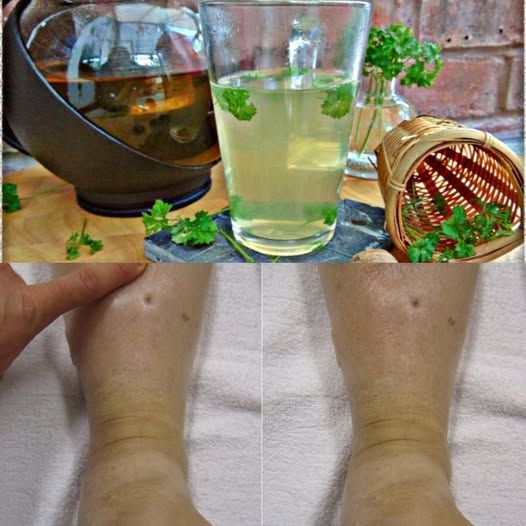

Have you ever taken off your shoes at the end of a long day and noticed your feet and ankles look puffy? That tight, uncomfortable feeling in your lower legs can make walking feel harder and standing feel tiring. Many people have searched for a simple, natural way to find relief.
Let me be honest with you from the start. No single tea can guarantee that swelling will never return. Swelling can have many causes, from diet and lifestyle to underlying health conditions. But certain herbal teas have been trusted for generations as gentle, natural ways to help your body release excess fluid and reduce puffiness in the feet and legs.
Why Dandelion Tea Helps with Swelling
Dandelion is one of nature’s most effective gentle diuretics. This means it helps your kidneys flush out excess water and sodium from your body. When fluid builds up in your lower legs, it creates that tight, puffy feeling. By gently encouraging your body to release this extra fluid, dandelion tea can help your legs feel lighter and more comfortable.
Dandelion is also rich in potassium, which is important because many diuretics can deplete potassium levels. Dandelion naturally replenishes what it helps your body release.
How to Make Dandelion Tea for Swelling
This is very simple.
What you need:
- 1 to 2 teaspoons of dried dandelion root or leaves (or 2 to 3 fresh leaves)
- 2 cups of water
- Optional: a slice of lemon or a tiny drop of honey
What to do:
- Bring the water to a boil.
- Place the dandelion in a mug or teapot.
- Pour the boiling water over the dandelion.
- Cover and let it steep for 10 to 15 minutes.
- Strain the leaves or roots out.
- Add a squeeze of lemon if desired.
- Drink it warm.
How Often to Drink It
Drink one cup in the morning and one cup in the afternoon. Do not drink more than two cups per day.
What You Might Notice Over Time
With consistent use over a week or two, many people notice:
- Less puffiness in the feet, ankles, and legs
- A feeling of lightness and comfort
- Shoes feel less tight
- Reduced bloating overall
- More frequent urination, which is normal and expected
Important Safety Warnings
- If you have kidney disease or are on dialysis, check with your doctor before drinking dandelion tea.
- If you take diuretic medication, check with your healthcare provider before adding dandelion tea to your routine.
- If you are allergic to ragweed, chrysanthemums, marigolds, or daisies, you may also be allergic to dandelion.
- Start with one cup per day to see how your body responds.
- Drink plenty of plain water throughout the day to stay hydrated.
A Simple Evening Routine
Here is a gentle routine to try:
- In the afternoon, brew a cup of dandelion tea.
- Sit down and elevate your feet on a stool or pillows while you drink it.
- Stay hydrated with plain water throughout the day.
- Reduce your salt intake, as excess sodium can contribute to swelling.
- Move gently throughout the day to support circulation.
When to See a Doctor
While mild swelling is common and often harmless, swelling can sometimes be a sign of a more serious condition. Please see a healthcare professional if:
- The swelling is sudden or severe
- Only one leg is swollen
- The swelling is accompanied by pain, redness, or warmth
- You have shortness of breath or chest pain
- The swelling does not improve with rest and elevation
A Final Thought
Dandelion tea is a simple, gentle, and natural way to support your body in releasing excess fluid and reducing swelling in your feet and legs. It is not a miracle cure, and it may not work forever for everyone. But for many people, it has been a trusted helper for generations.
Try it for a week. Elevate your feet. Stay hydrated. Listen to your body. You might be surprised at how much better your legs can feel.
For more surprising health tips, discover why you should add oil to your coffee or what happens when you drink a glass of garlic water every day. And if you’re curious about other natural body solutions, learn how to remove skin tags naturally.