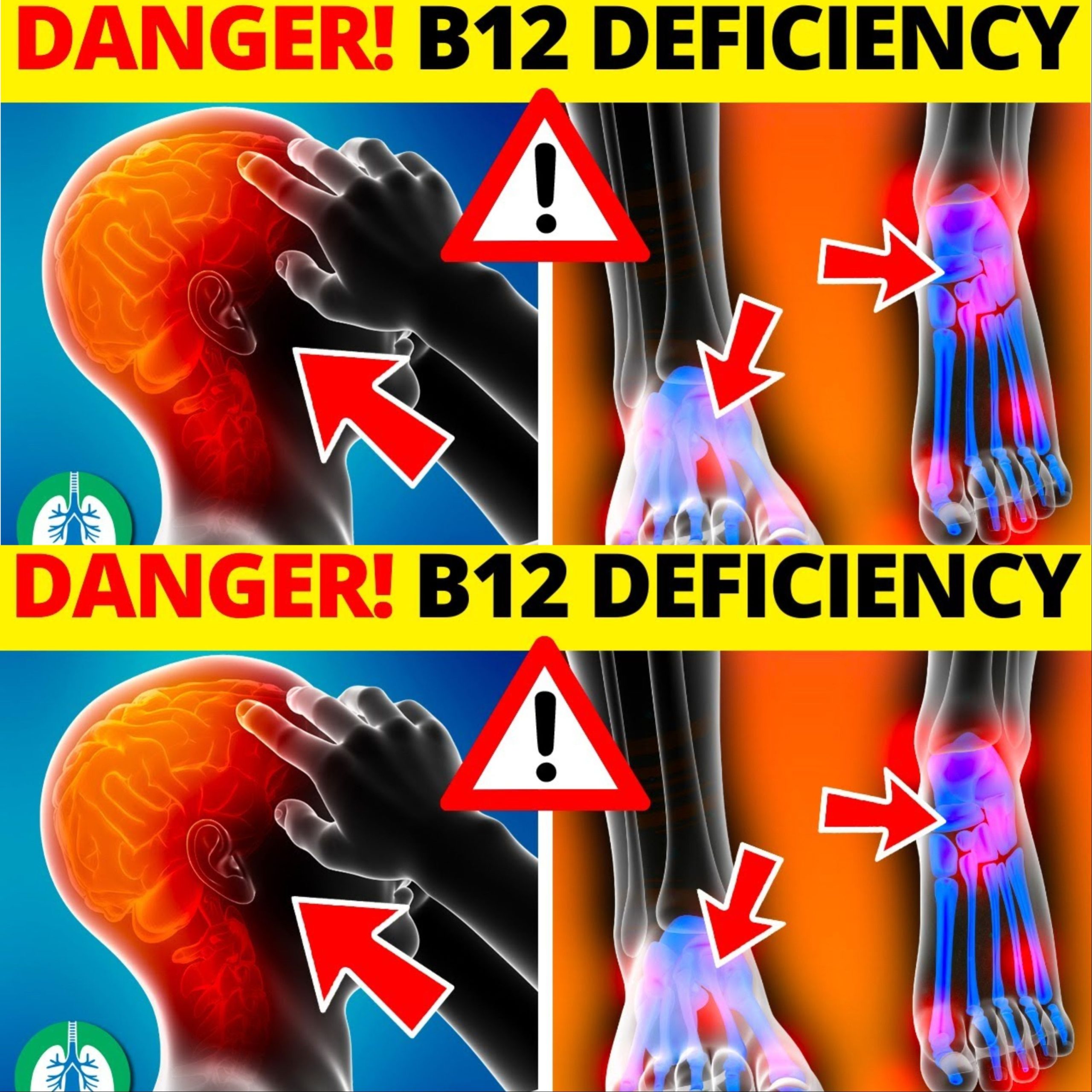

Vitamin B12 is one of the most essential nutrients for your body, yet many people—especially older adults—are unaware they are deficient. B12 plays a critical role in nerve function, red blood cell production, and DNA synthesis. When levels drop too low, the consequences can be serious and far-reaching. Here are ten dangers you need to know.
1. Persistent Fatigue and Weakness
Without enough B12, your body cannot produce enough healthy red blood cells to carry oxygen to your tissues. This leads to chronic fatigue, weakness, and a feeling of being drained no matter how much you rest.
2. Nerve Damage and Tingling Sensations
B12 is essential for maintaining the protective coating around your nerves, called the myelin sheath. A deficiency can cause numbness, tingling, or a “pins and needles” sensation in your hands, feet, or legs. Over time, this damage can become irreversible.
3. Memory Loss and Cognitive Decline
Low B12 levels are linked to poor memory, confusion, and difficulty concentrating. In severe cases, it can mimic the symptoms of dementia. The good news is that early treatment may reverse these effects.
4. Mood Changes and Depression
B12 plays a role in producing brain chemicals that regulate mood. Deficiency has been linked to depression, anxiety, and irritability. Restoring B12 levels can often improve emotional well-being.
5. Pale or Jaundiced Skin
A lack of B12 can cause your skin to become pale or take on a yellowish tint. This is due to a condition called pernicious anemia, where red blood cells are fragile and break down more easily.
6. Shortness of Breath and Dizziness
When your body cannot carry enough oxygen, you may feel breathless after mild activity or experience dizziness when standing up quickly. This is a common sign of B12 deficiency anemia.
7. Heart Palpitations
Low B12 can lead to an increased heart rate or palpitations as your heart works harder to pump oxygen-depleted blood throughout your body. This can be alarming and should not be ignored.
8. Digestive Issues
B12 deficiency can affect your digestive system, leading to symptoms like nausea, diarrhea, constipation, or loss of appetite. Some people also experience a swollen, inflamed tongue (glossitis).
9. Vision Problems
In severe cases, B12 deficiency can damage the optic nerve, leading to blurred or double vision. This is rare but serious, and prompt treatment is essential to prevent permanent vision loss.
10. Increased Risk of Heart Disease
B12 deficiency raises levels of homocysteine, an amino acid linked to an increased risk of heart disease and stroke. Keeping your B12 levels adequate can help protect your cardiovascular system.
Who Is Most at Risk?
- Older adults (especially those with reduced stomach acid)
- Vegans and vegetarians
- People with digestive disorders like Crohn’s or celiac disease
- Those who have had gastric bypass surgery
- People taking metformin or acid-reducing medications
How to Prevent Deficiency
- Eat B12-rich foods: meat, fish, eggs, dairy, and fortified cereals.
- If you are over 50 or follow a plant-based diet, consider a B12 supplement.
- Get your B12 levels tested regularly, especially if you have symptoms.
A Gentle Reminder
Vitamin B12 deficiency is common but often overlooked. The symptoms can creep up slowly and be mistaken for normal aging. If you experience any of these signs, talk to your doctor about a simple blood test. Early detection and treatment can prevent serious, lasting damage and help you feel your best.
For more eye-opening insights into health, check out the Top 10 Benefits of Apple Cider Vinegar You’ll Wish You Knew Sooner, or if you’re in the mood for some dramatic family stories, you won’t believe what happened when My Future Mother-in-Law Had Me Thrown Out of My Own Engagement Party in Front of 200 People and how My Dad Suspended Me Until I Apologized to My Sister. So I Went to My Attorney..