
A simple morning water routine you can start today
Beginning your day with a glass of water is a small habit with gentle, steady benefits. Before breakfast, coffee, or tea, that first drink can help replace the fluid your body used overnight, wake up digestion, and set a calm, healthy tone for the morning. If you have been curious about trying it, you will find it easy to begin and simple to personalize.
Think of this as a friendly hello to your body rather than a strict rule. You are offering back the moisture your system quietly spent while you slept, and you are doing it without rush or pressure. Many adults between 45 and 65 find this one change helps mornings feel clearer, more comfortable, and more energetic.
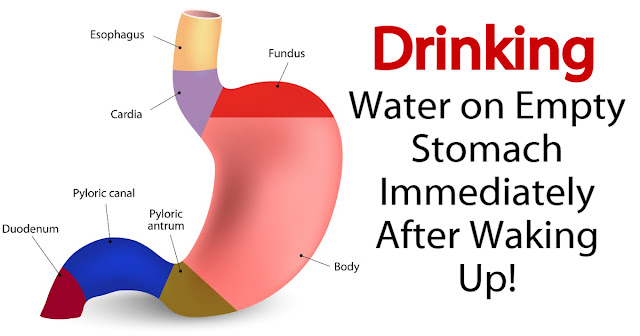
There is no need for complicated steps or special products. A clean glass, a comfortable amount of water, and a few unhurried minutes are all it takes. With a little consistency, you may notice the difference within a week or two.
Why that first glass can make a difference
During sleep, you go many hours without drinking, and every breath you exhale carries away a bit of moisture. By morning, your body is slightly low on fluids. A glass of water first thing helps restore that balance so your circulation, muscles, and brain have what they need to get going. Many people notice clearer thinking, a brighter mood, and fewer morning headaches when they begin the day well hydrated.
Comfortable digestion is another benefit. Gentle hydration helps your stomach and intestines prepare for the first meal of the day. For some, this means more regular bowel movements and less strain. If mornings sometimes feel sluggish or uneasy, a simple drink of water before eating can give your system a kinder start.
Joints can also feel a touch easier once you rehydrate, especially if you have been in one position for hours. Water is not a cure-all, but keeping tissues well hydrated supports joint comfort and may soften normal morning stiffness.
Your skin reflects hydration, too. One glass will not erase dryness on its own, but starting the day with water contributes to your overall intake. Over time, steady hydration helps skin look and feel more comfortable.
It helps to keep expectations grounded. Morning water is a healthy routine, not a miracle treatment. It supports what your body already does well—moving blood, regulating temperature, digesting food, and clearing waste. Seen in that light, it becomes a practical habit you can keep, not a quick fix.
How to begin, step by step
When you wake, take a few easy breaths and sit up slowly. Keep water nearby—on your nightstand or ready in the kitchen—so it is the first thing you reach for. A comfortable starting amount is one average glass, about 250 milliliters or 8 ounces. If you wake up quite thirsty or live in a warm climate, up to about two glasses, or roughly 500 milliliters, may feel good. There is no reason to push past comfort. Choose the amount that suits you.
Drink at a relaxed pace. Small, steady sips over five to ten minutes are kinder to your stomach and allow your body to absorb the water comfortably. Many people prefer room-temperature water because it goes down smoothly. If your digestion is sensitive, slightly warm water can be soothing. If you love cold water, enjoy it, and if it ever feels uncomfortable, simply let it warm a little before you drink.
After you finish, give your body a bit of time to respond. Waiting about 20 to 30 minutes before breakfast allows the water to move along and helps your digestive system wake gently. If your mornings are busy, even a 10-minute pause still helps. Use this moment to stretch, plan your day, or take a breath by a window.
If you enjoy coffee or tea, you do not need to give them up. Aim to have your water first, then enjoy your hot drink after that short pause. This order is easier on your stomach and supports hydration from the start.
Finding the right amount for you
One glass is a perfectly solid start, and for many people it is all that is needed. If you tend to wake very thirsty, or if the weather is hot, you may feel even better with a second glass. Let your body guide you. The right amount leaves you feeling comfortable and refreshed, not stuffed or sloshy.
If you have a medical reason to limit fluids, you can still enjoy the habit by using a smaller glass and planning the rest of your day’s drinks accordingly. The goal is a gentle beginning that fits your needs, not a fixed target that ignores them.
Flavors and extras: what helps, what to skip
Plain water is all you need. If a slice of lemon makes it more enjoyable for you, that is fine, though it is not required for health. If you do add lemon, consider rinsing your mouth afterward or following with a sip of plain water, since frequent acid exposure can irritate tooth enamel over time. Sweeteners, heavy flavorings, or a large pinch of salt are not necessary for this routine and can work against hydration or blood pressure goals.
If you like a warm cup in the morning, plain warm water can be especially comforting. It offers the same benefits without caffeine and may feel gentler if your stomach is sensitive at daybreak.
Taking medicines and supplements
Many adults take morning medicines, and your first glass of water usually fits well with them. If a medicine needs an empty stomach, your water is typically fine, though some prescriptions suggest a specific gap before eating. Follow the instructions you were given, and consider placing your medicine after your morning water so it is easy to remember.
If you take diuretics, sometimes called water pills, you may prefer to time the dose after breakfast to avoid needing the bathroom too early. If your clinician has set a daily fluid limit for a heart, kidney, or liver condition, count your morning water as part of that total. When in doubt, a quick call to your pharmacist or healthcare professional can help tailor this routine to your plan.
Safety notes for midlife and older adults
As we get older, the sense of thirst can grow a bit quieter even when our bodies need fluids. That is one reason a planned morning glass is helpful. Still, pacing matters. Very large amounts of water all at once are not recommended and can make anyone feel unwell. In rare cases and certain medical situations, drinking extreme amounts can upset the balance of minerals in the blood. The modest amounts suggested here are generally safe for healthy adults.
If you have been told to restrict fluids, or if you live with heart failure, advanced kidney disease, or significant liver disease, shape this habit to your care plan. A small glass may be all that is advised. If you take medicines that can affect salt and water balance—such as some diuretics or certain antidepressants—slow, gentle amounts of water are best. If you ever feel lightheaded, nauseated, unusually bloated, or confused after drinking, pause and speak with your healthcare professional.
What this habit can do—and what it cannot
A morning glass of water can help you feel more alert, support comfortable bowel habits, and set the day’s hydration off on the right foot. Many people find it steadies mid-morning snacking and makes that first cup of coffee feel easier on the stomach. Over time, staying well hydrated supports healthy blood pressure, kidney function, and temperature control, especially in hot weather or during activity.
It is equally useful to be clear about limits. Morning water does not melt fat, cure disease, or replace a balanced approach to health. Think of it as one steady building block alongside nourishing meals, regular movement, good sleep, and routine checkups.
If you often wake at night to use the bathroom
Nighttime trips to the bathroom are common and frustrating. A morning water habit does not have to make that worse. Try having most of your fluids from morning through afternoon and easing up in the two to three hours before bedtime. Keep your morning water gentle and consistent, then notice how your body responds over a week or two. If waking at night remains frequent and troublesome, it is worth discussing with your clinician, since several treatable issues can play a role.
If you nap during the day, use a similar idea: enjoy most of your fluids earlier, and take smaller sips as naptime approaches to reduce interruptions.
Tips for comfortable digestion
If water on an empty stomach makes you queasy, try it slightly warm and sip it slowly while sitting upright. People who live with reflux often find warm or room-temperature water more soothing than very cold water. If you take medicines that can irritate the stomach, plan the timing so that water, medicine, and breakfast do not all arrive at once. A short pause between each step can make a noticeable difference.
If plain water is hard to finish first thing, try a few sips, take a brief pause, then continue. You might also start with a smaller glass for a week and gently increase if that feels right.
Making the routine easy to keep
Small bits of planning help. Place a clean glass by the sink or keep a refillable bottle on your nightstand so you do not have to search with one eye open. Fill it the evening before so it is ready when you wake. If your mornings tend to be busy, enjoy your water while you look out the window, review your calendar, or step onto the porch for a breath of fresh air. Linked to a pleasant moment, the habit quickly becomes something you look forward to.
Start small and stay steady. If one glass is your beginning, keep it there for a week and notice how you feel. If you like the result and want to try a bit more, gently increase the amount. If you feel your best at your starting point, there is no reason to change it.
Clear answers to common questions
Is warm or cold water better? The best choice is the one your body finds comfortable. If you are easing into the habit or your stomach is sensitive, room temperature or slightly warm water tends to feel gentlest. If cool water feels refreshing and never causes discomfort, it is fine to enjoy it that way.
Do I need filtered or mineral water? In most places, clean and safe tap water is perfectly acceptable. If you prefer filtered or bottled water for taste or local water quality reasons, use what you trust and enjoy. The important part is the routine itself, not the brand or the bottle.
How long should I wait before breakfast? A comfortable window is about 20 to 30 minutes. If your schedule is tight, even a shorter pause helps. If you like a brief morning walk, you can sip your water, enjoy a few minutes of movement, and eat afterward for a smooth start to digestion.
What about sparkling water? Lightly carbonated water can be fine if it sits well with your stomach. If bubbles cause bloating first thing, choose still water for your morning glass and save sparkling for later in the day.
Putting it all together in a calm morning picture
Imagine your morning in easy steps. You wake, stretch, and sit up. Your glass is ready. You take steady sips, pausing as you like, and notice how your body relaxes as it receives what it needs. You give yourself a little space before breakfast—perhaps tidying the kitchen, watering a plant, or jotting down your plan for the day. When it is time to eat, your stomach is more ready, your mind feels clearer, and your whole system is better prepared for what is ahead.
Over a week or two, the habit begins to feel natural. You might find you reach for sweets less often mid-morning, or that you do not need that second cup of coffee to feel awake. On days you forget, simply return to it the next morning—no guilt, no pressure, just a fresh start.
When to ask for personal guidance
If you are managing conditions such as heart failure, advanced kidney disease, cirrhosis, or significant low-sodium issues, or if you have been placed on a fluid restriction, ask your healthcare professional how to size this habit to your plan. A small, steady amount of water may be right for you, and it is helpful to get clear guidance so you can enjoy the benefits safely.
If you notice swelling in your legs or hands, sudden weight gain, shortness of breath, or unusual fatigue after increasing fluids, pause and get advice. These symptoms can have several causes, and a quick check can keep you on track.
A friendly send-off
The beauty of a morning glass of water is its simplicity. It costs almost nothing, takes only a few minutes, and works with your body’s natural rhythm. For many adults in midlife and beyond, it is a small habit with a steady payoff: clearer mornings, calmer digestion, and a more comfortable start to the day.
Begin with the amount that suits you, sip at a relaxed pace, and give your body a little time before breakfast. Keep your favorite rituals, including coffee or tea—just let water go first. Adjust for your medical needs, check with a clinician if you have restrictions, and enjoy how this friendly routine supports you in the long run.
Tomorrow morning offers the perfect chance to begin. Set out a glass tonight, and greet the day with a calm, refreshing start.
Keeping your body happy and healthy is a journey, so check out these tips on The 10 BEST Foods For Seniors With No Carbs & No Sugar, learn how to STOP “Old-Person Smell” With This One Hygiene Fix After 60, and discover Wash Only THIS Spot in the Shower and You’ll Never Need a Nursing Home for more ways to feel your best.