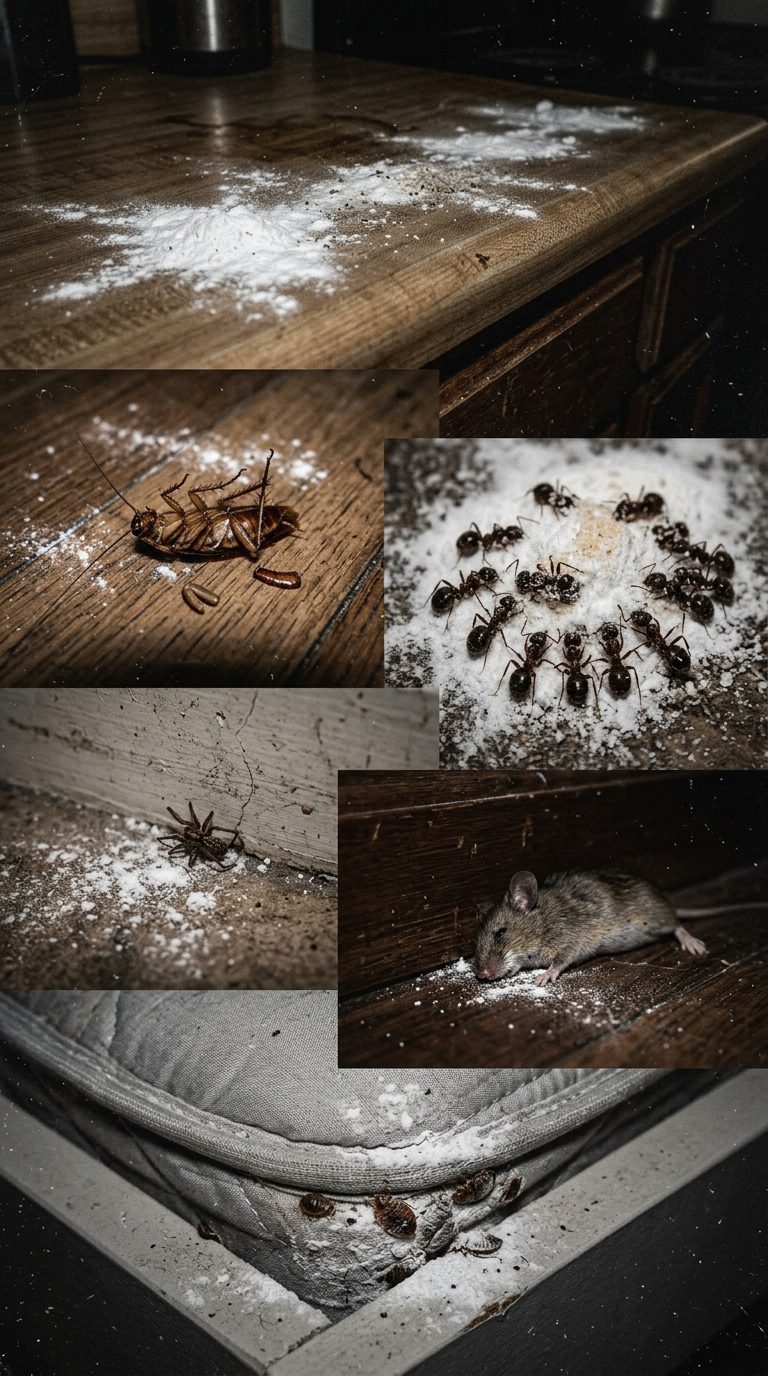

Have you ever seen an unwanted pest scurry across your kitchen floor and wished for a simple, non-toxic way to send it packing? You are not alone. Many people prefer to avoid harsh chemical pesticides in their homes. Baking soda, a humble kitchen staple, has been used for generations as a gentle, natural pest control option.
Let me be honest with you from the start. Baking soda is not a magic solution for every pest problem. It works best for certain insects and as a deterrent rather than a killer. For large infestations, professional help may still be needed. But for minor issues, baking soda can be a helpful, affordable tool.
Why Baking Soda Works for Pest Control
Baking soda works in different ways depending on the pest:
- For insects like roaches and ants: When baking soda is mixed with a tempting bait like sugar, the insects consume it. The baking soda reacts with their digestive system, causing gas to build up and eventually eliminating them.
- For spiders: Baking soda can be used as a barrier powder that deters spiders from crossing certain areas.
- For mice: Baking soda mixed with something sweet can have a similar effect, though it is less reliable than traditional traps.
- For bedbugs: Baking soda can help dry out bedbugs by absorbing moisture from their outer shell, but it is not a standalone solution.
Simple Recipes for Common Pests
For Roaches and Ants:
Mix equal parts baking soda and powdered sugar. Sprinkle the mixture in areas where you have seen roaches or ants, such as along baseboards, under sinks, and behind appliances. The sugar attracts them, and the baking soda does the rest.
For Spiders:
Sprinkle a line of baking soda along doorways, windowsills, and other entry points. Spiders do not like to cross the powder. Reapply after cleaning or if it gets damp.
For Mice:
Mix baking soda with a small amount of peanut butter or sugar to create a bait. Place it in shallow lids where mice have been seen. Check and refresh the bait daily.
For Bedbugs:
Lightly dust baking soda around the edges of your mattress, box spring, and baseboards near the bed. Vacuum after a few days and repeat. Baking soda can help dry out bedbugs, but professional treatment is often needed for complete elimination.
Important Safety Warnings
- Keep baking soda mixtures away from children and pets. While baking soda is generally safe, large amounts can cause digestive upset.
- Baking soda can damage surfaces. It may scratch wood, tile, or painted surfaces. Test in an inconspicuous area first.
- Baking soda must stay dry to be effective. Moisture reduces its effectiveness, so reapply after cleaning or if the area gets damp.
- For large infestations, call a professional. Baking soda is a helpful tool for minor issues, but it may not be enough for serious problems.
A Final Thought
Baking soda is a simple, affordable, and non-toxic way to address minor pest concerns in your home. It is not a magic cure-all, but for many common pests, it can be a helpful first line of defense.
Combine it with good housekeeping practices: seal cracks, keep food in airtight containers, and remove clutter. That way, you make your home less inviting to pests in the first place.
Try these simple methods and see if they help. Your home will feel cleaner and more comfortable.
For more amazing natural remedies, check out how one plant supports edema, varicose veins, arthritis, kidneys, and liver or discover how your liver & lungs can be like new in 3 days. And if you’re looking for pain relief, you might be surprised to learn that mixing a little salt and olive oil could help for years.