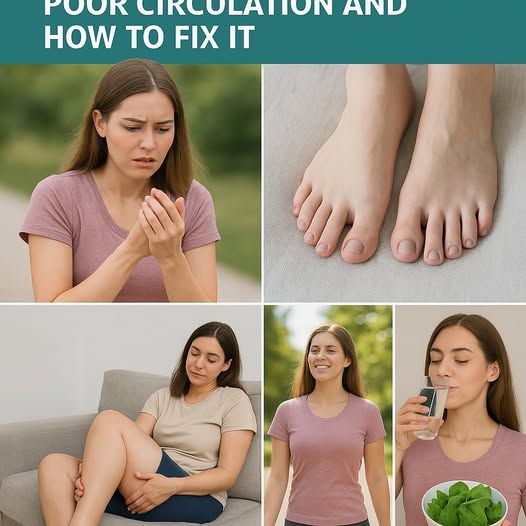

Have you ever felt a tingling in your hands or feet and wondered if something was wrong? Perhaps your fingers feel cold even when the rest of your body is warm, or your legs feel heavy after standing for a while. These small signals can be your body’s way of telling you that your circulation needs a little extra support.
Circulation is how your heart pumps blood through your body, delivering oxygen and nutrients to every cell and carrying away waste products. When circulation slows down, your body notices. Here are five common warning signs and gentle ways to support better blood flow.
Sign #1: Cold Hands and Feet
If your hands and feet are often cold even in a warm room, it may be a sign that blood is not reaching your extremities as easily as it should. Poor circulation can cause a persistent chill in your fingers and toes.
What you can do: Gentle movement is one of the best ways to get blood flowing. Simply shaking your hands, wiggling your fingers, and rotating your ankles for a minute or two can make a difference. Wearing warm socks and keeping your whole body warm also helps.
Sign #2: Numbness or Tingling
That pins-and-needles feeling in your hands, arms, legs, or feet can be another sign of reduced circulation. When blood flow is restricted, nerves do not get the oxygen they need, which can cause these sensations.
What you can do: Regular stretching, especially of your arms, legs, and neck, can help relieve pressure on blood vessels. A gentle daily walk is also wonderful for encouraging circulation throughout your body.
Sign #3: Swelling in the Feet and Ankles
When circulation is sluggish, fluid can pool in your lower legs, causing puffiness. This is often more noticeable at the end of the day. While mild swelling is common, it is worth paying attention to.
What you can do: Elevating your feet for 15 to 20 minutes each day helps gravity move fluid out of your lower legs. Staying hydrated and reducing your salt intake also supports healthy fluid balance.
Sign #4: Fatigue and Heavy Legs
If your legs feel heavy, tired, or achy, especially after standing or sitting for long periods, it may be a sign that blood is not circulating efficiently. Your muscles need a steady supply of oxygen to feel light and energized.
What you can do: Taking short breaks to stand up, stretch, and walk around every hour can make a noticeable difference. Simple calf raises, where you rise up on your toes and lower back down, help pump blood back up toward your heart.
Sign #5: Slow Healing of Minor Wounds
If small cuts, scrapes, or bruises take longer than usual to heal, it may be because your circulation is not delivering enough oxygen and nutrients to the injured area for repair.
What you can do: If you notice this, it is a good idea to mention it to your healthcare provider. Gentle daily movement, proper hydration, and eating foods rich in vitamin C and zinc can support your body’s natural healing process.
Gentle Habits That Support Healthy Circulation
Beyond addressing specific signs, here are simple habits that support circulation every day:
- Move your body gently each day. A 20-minute walk, gentle stretching, or even light housework keeps blood flowing.
- Stay hydrated. Water helps your blood flow more easily.
- Elevate your legs. Spending 15 minutes with your feet up each day helps circulation in your lower body.
- Wear comfortable shoes. Shoes that are too tight can restrict circulation in your feet.
- Eat a colorful diet. Foods rich in antioxidants, like berries, leafy greens, and beets, support healthy blood vessels.
- Manage stress. Deep breathing and relaxation help your blood vessels stay relaxed and open.
When to See a Doctor
While these signs can be related to circulation, they can also indicate other health concerns. Please see a healthcare professional if:
- You have persistent numbness or tingling
- Swelling is sudden, severe, or only in one leg
- You have pain or cramping in your legs when walking
- You have open sores or wounds that are slow to heal
- You have a history of heart disease, diabetes, or circulatory problems
A Final Thought
Your body sends you gentle signals every day. Learning to listen to them is one of the most loving things you can do for yourself. If you recognize any of these signs, consider adding a few simple circulation-supporting habits to your daily routine.
Your heart works hard for you every moment. Supporting your circulation is a gentle way to thank it.
For more great health tips, learn about the tea that improved one person’s vision, blood sugar, and cholesterol or discover a natural face mask that smooths wrinkles.