
Have you ever wondered what foods were prized in ancient times for their nourishing and healing properties? The Bible mentions many simple, whole foods that have been treasured for thousands of years. While people in biblical times did not have modern medicine, they observed which foods gave them strength, comfort, and vitality.
Let me be honest with you from the start. No single food can heal you instantly. That would be unrealistic. But the foods listed in the Bible are whole, natural, and packed with nutrients that have supported human health for millennia. Including them in your daily diet can nourish your body and help you feel your best.
20 Biblical Foods for Nourishment and Vitality
1. Olive Oil
Used for cooking, anointing, and healing. Rich in healthy fats and antioxidants, it supports heart health and reduces inflammation.
2. Honey
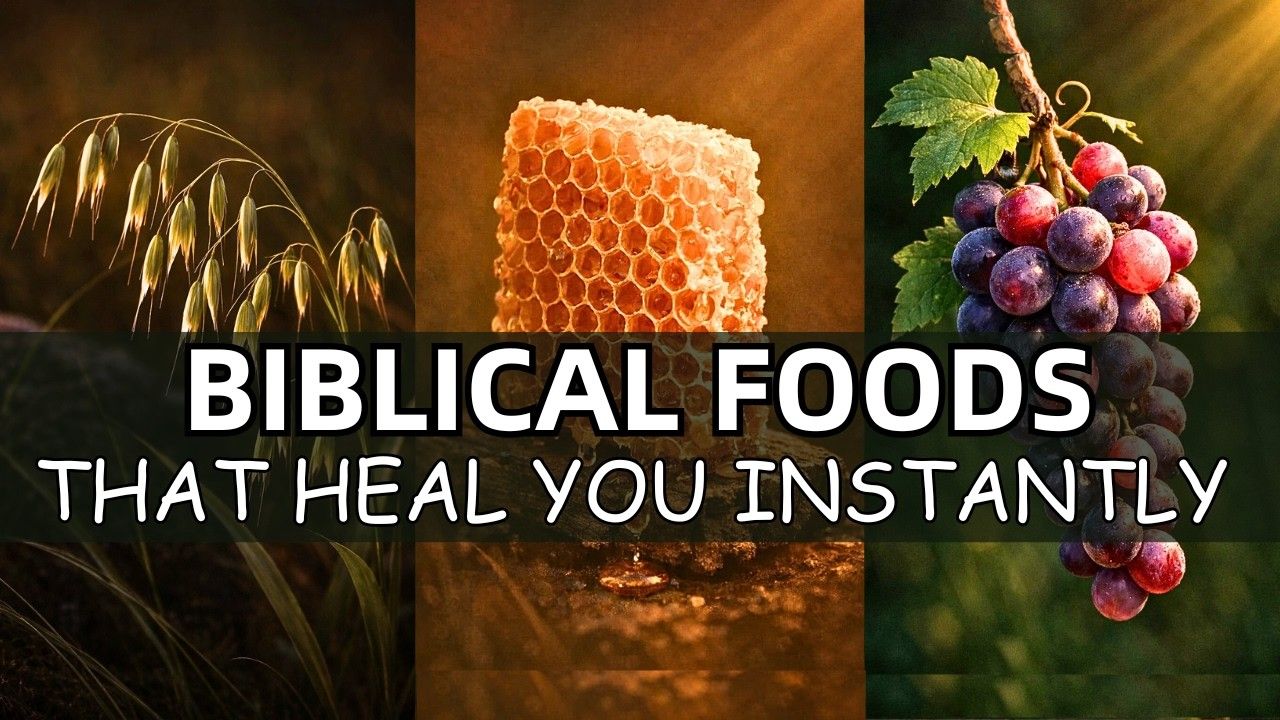
The Bible describes the promised land as flowing with milk and honey. Honey has natural antimicrobial properties and soothes sore throats and coughs.
3. Garlic
Prized in ancient Egypt and Israel, garlic supports circulation, immunity, and heart health.
4. Onions
Like garlic, onions were valued for their healing properties. They are rich in quercetin, a powerful antioxidant.
5. Lentils
Esau sold his birthright for a bowl of lentil stew. Lentils are rich in fiber, protein, and minerals that support digestion and steady energy.
6. Barley
A staple grain in biblical times, barley is rich in fiber and supports heart health and digestion.
7. Figs
Figs are mentioned frequently in the Bible. They are rich in fiber, potassium, and antioxidants that support digestion and bone health.
8. Dates
Dates are a natural sweetener packed with energy, fiber, and minerals that support digestion and vitality.
9. Pomegranates
Pomegranates are rich in antioxidants that protect your cells and support heart health.
10. Grapes
Grapes were a symbol of abundance. They are rich in antioxidants that support heart health and circulation.
11. Almonds
Aaron’s rod blossomed with almonds. Almonds are rich in vitamin E, magnesium, and healthy fats that support brain and heart health.
12. Cinnamon
A precious spice used in anointing oil. Cinnamon helps support healthy blood sugar levels and has anti-inflammatory properties.
13. Coriander (Cilantro)
The manna was described as being like coriander seed. Coriander supports digestion and helps your body eliminate toxins.
14. Milk
A symbol of nourishment and abundance. Milk provides calcium and protein for strong bones and muscles.
15. Fish
The disciples were fishermen. Fish, especially fatty fish, is rich in omega-3s that support heart and brain health.
16. Lamb
The Passover lamb was central to the Exodus story. Lamb is a rich source of protein and B vitamins.
17. Goat’s Milk
Commonly used in biblical times, goat’s milk is easier to digest than cow’s milk for some people and is rich in calcium.
18. Bitter Herbs
Eaten during Passover, bitter herbs like chicory and dandelion support digestion and liver health.
19. Salt
Salt was used for seasoning and preserving. It is essential for life but should be used in moderation.
20. Water
The most essential of all. Clean water supports every function in your body.
A Simple Way to Include These Foods
You do not need to eat all of these every day. Try adding a few to your weekly meals:
- Drizzle olive oil over your vegetables.
- Add lentils or barley to soups.
- Snack on figs, dates, or almonds.
- Drink a cup of warm water with honey and a pinch of cinnamon.
A Final Thought
These foods have supported human health for thousands of years. They are simple, whole, and nourishing. They will not heal you instantly, but they can provide your body with the nutrients it needs to stay strong, balanced, and energized.
Eat well. Be patient. Your body will thank you.
For more ways to boost your well-being, check out these 15 morning foods you should eat every day or learn how to properly use castor oil for your face and beyond, because castor oil works… you’re just doing this wrong.