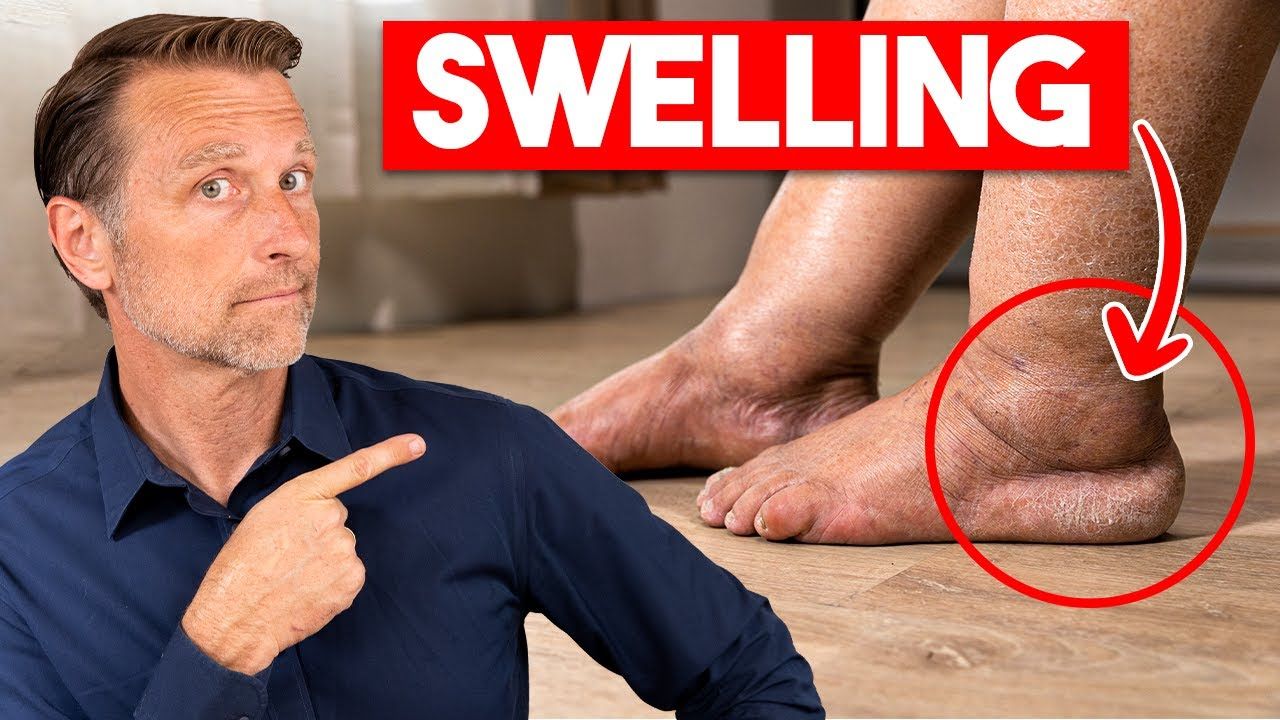

Have you ever taken off your shoes at the end of a long day and noticed your feet and ankles looking puffy and swollen? You are not alone. Swelling in the lower legs is a common discomfort, especially after standing or sitting for long periods. Many people have searched for a simple, natural way to find relief.
Let me be honest with you from the start. No single vitamin can “eliminate” swollen legs and ankles for everyone. Swelling can have many causes, from diet and lifestyle to underlying medical conditions that require a doctor’s care. However, certain vitamins and nutrients can play a key role in supporting your body’s fluid balance and circulation. The most important one is Vitamin C.
Why Vitamin C Is the No. 1 Vitamin for Swollen Legs
Vitamin C is a powerful antioxidant that supports the health of your blood vessels. It plays an essential role in the production of collagen, a protein that keeps your blood vessel walls strong and flexible. When your blood vessels are strong and healthy, they are better able to manage fluid balance and circulation, which can help reduce swelling and puffiness.
Vitamin C also helps reduce inflammation throughout the body. Since swelling is often linked to inflammation, getting enough vitamin C can help calm this response and reduce fluid buildup.
How to Get More Vitamin C Naturally
The best way to support your body is through whole foods rich in vitamin C. Here are some of the best sources:
- Oranges, grapefruits, and other citrus fruits
- Bell peppers
- Strawberries
- Kiwi fruit
- Broccoli
- Brussels sprouts
- Tomatoes
Try to include at least one or two of these foods in your daily meals.
Other Helpful Tips for Swollen Legs and Ankles
- Stay hydrated. Drink plenty of water throughout the day. It helps your body flush out excess sodium and fluid.
- Reduce your salt intake. Too much sodium can cause your body to retain water.
- Elevate your legs. Spend 15 to 20 minutes each day with your legs raised above the level of your heart.
- Move gently. A short walk helps your calf muscles pump fluid back up toward your heart.
- Wear comfortable shoes. Tight shoes can restrict circulation.
Important Safety Warnings
- Swelling can sometimes be a sign of a more serious condition, such as heart, kidney, or liver problems.
- If your swelling is sudden, severe, or only affects one leg, please see a healthcare professional.
- If your swelling is accompanied by pain, redness, warmth, or shortness of breath, seek medical care.
A Final Thought
Vitamin C is a gentle, powerful supporter of your blood vessel health and can play a meaningful role in reducing swollen legs and ankles over time. Combined with a balanced diet, proper hydration, and gentle movement, it can help your legs feel lighter and more comfortable.
Be kind to your body. It works hard for you every day.
For more ways to boost your well-being, check out these articles on 7 WORST Snacks that Feed CANCER Cells🔥, how We Mixed CASTOR OIL and BAKING SODA to Treat 19 Health Issues – Results in Just 48 Hours, or how to Mix HONEY with CLOVES to Fix 13 Problems After 60 – Results in 7 Days.